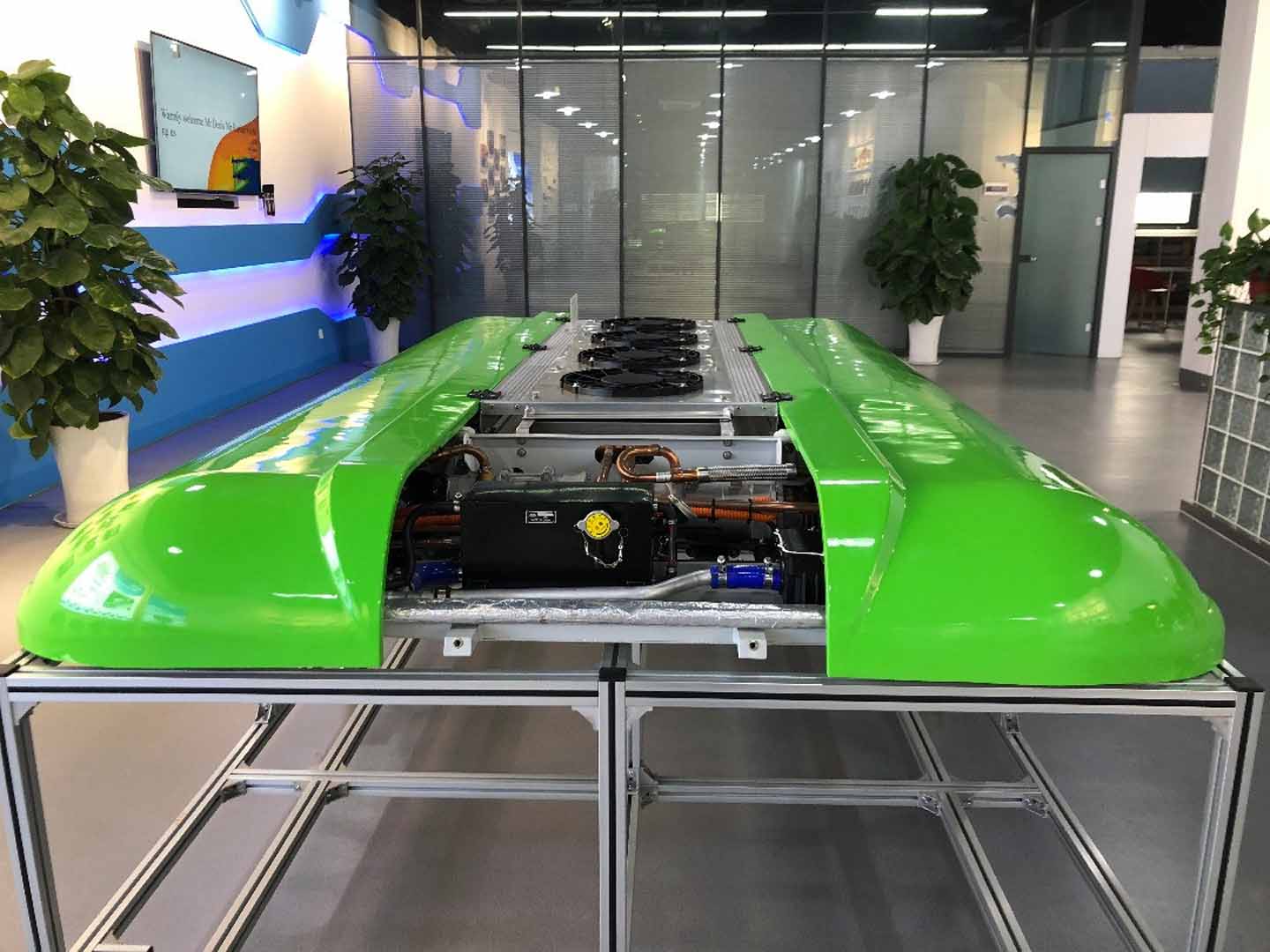
SNVI Bus Air Conditioner can be sourced from bus air conditioner suppliers and manufacturers in China, according to an engineer from the SNVI Group.
SNVI Group is a renowned industrial vehicle and bus manufacturer headquartered in Algiers, Algeria. SNVI designs and produces medium- and heavy-duty utility vehicles, city and intercity buses, and specialized vehicles such as fire trucks, off-road vehicles, and military and civil defense vehicles.
The National Company for Industrial Vehicles (SNVI) made a strong comeback, showcasing three new truck models at the Oran International Heat, Electric, and Hybrid Vehicles Exhibition and the Algiers International Automobile Fair (FIA). This revival marks a renewal for the renowned Algerian brand, which also showcased several buses and coaches.
Brand Revitalization through Strategic Partnership
Since its acquisition by the Ministry of Defense's Mechanical Industry Department (MDN), SNVI has established a technical partnership with Mercedes-Benz. This collaboration focuses on the production of trucks, utility vehicles, and 4x4s for the German brand. This strategic move enables SNVI to integrate advanced technologies and leverage Algeria's expertise across various fields, raising production standards to an exceptional level.
Modern and Rugged New Models
SNVI's new models attracted significant attention at the 55th FIA (International Automobile Federation) Armaments Exhibition. These included the 7.5-ton K7.5, the successor to the K66; the 9.5-ton KM7.5; and the 12-ton K12, an upgrade to the renowned K120. These models combine modern design with rugged durability, demonstrating SNVI's commitment to keeping pace with technological advancements.
SNVI Group engineers review the SNVI Bus Air Conditioner from China.
Bus air conditioning plays a vital role in providing passengers with a comfortable and enjoyable travel experience, especially during the hot summer months.
As a bus operator or enthusiast, understanding the functions, benefits, and considerations of bus air conditioning is crucial for making informed fleet decisions. In this guide, we'll explore various aspects of bus air conditioning, including its benefits, key considerations, maintenance tips, and more. Engineers are contacting busclima@kingclima.com for bus air conditioner suppliers in China to obtain the best service and solutions. The Ultimate Guide to Bus Air Conditioning: Benefits and Considerations 1. Benefits of Bus Heating, Ventilation, and Air Conditioning (HVAC)
Bus air conditioning offers a range of benefits that enhance the passenger experience, improve safety, and provide operators with a competitive advantage. Key advantages include:
Passenger Comfort: Air conditioning systems maintain a comfortable temperature inside the vehicle, ensuring passenger comfort even in extreme weather conditions.
Health and Safety: A properly functioning Iran bus air conditioner helps regulate air quality, reducing the risk of heat-related illnesses and creating a healthier environment for passengers.
Increased Productivity: A comfortable, cool environment improves driver focus and concentration, leading to increased efficiency and enhanced driving safety.
Competitive Advantage: Offering air-conditioned buses can differentiate your fleet from the competition, attract more passengers, and improve customer satisfaction.
2. Considerations When Selecting a Bus HVAC System
When selecting a bus air conditioning system, you should consider several factors to ensure optimal performance and meet your specific needs. These factors include:
Cooling Capacity: Determine the appropriate cooling capacity based on the size of your bus and the expected passenger capacity. Energy Efficiency: Choose fuel-efficient models to minimize fuel consumption and operating costs.
Mounting Flexibility: Consider available installation space, whether it's roof-mounted, floor-mounted, or integrated into the dashboard.
Noise and Vibration Levels: Choose systems with low noise and vibration levels to create a quiet and comfortable environment for passengers.
Maintenance and Serviceability: Evaluate ease of maintenance, spare parts availability, and repairs to minimize downtime and ensure smooth operation.